Gradient
Assessment results

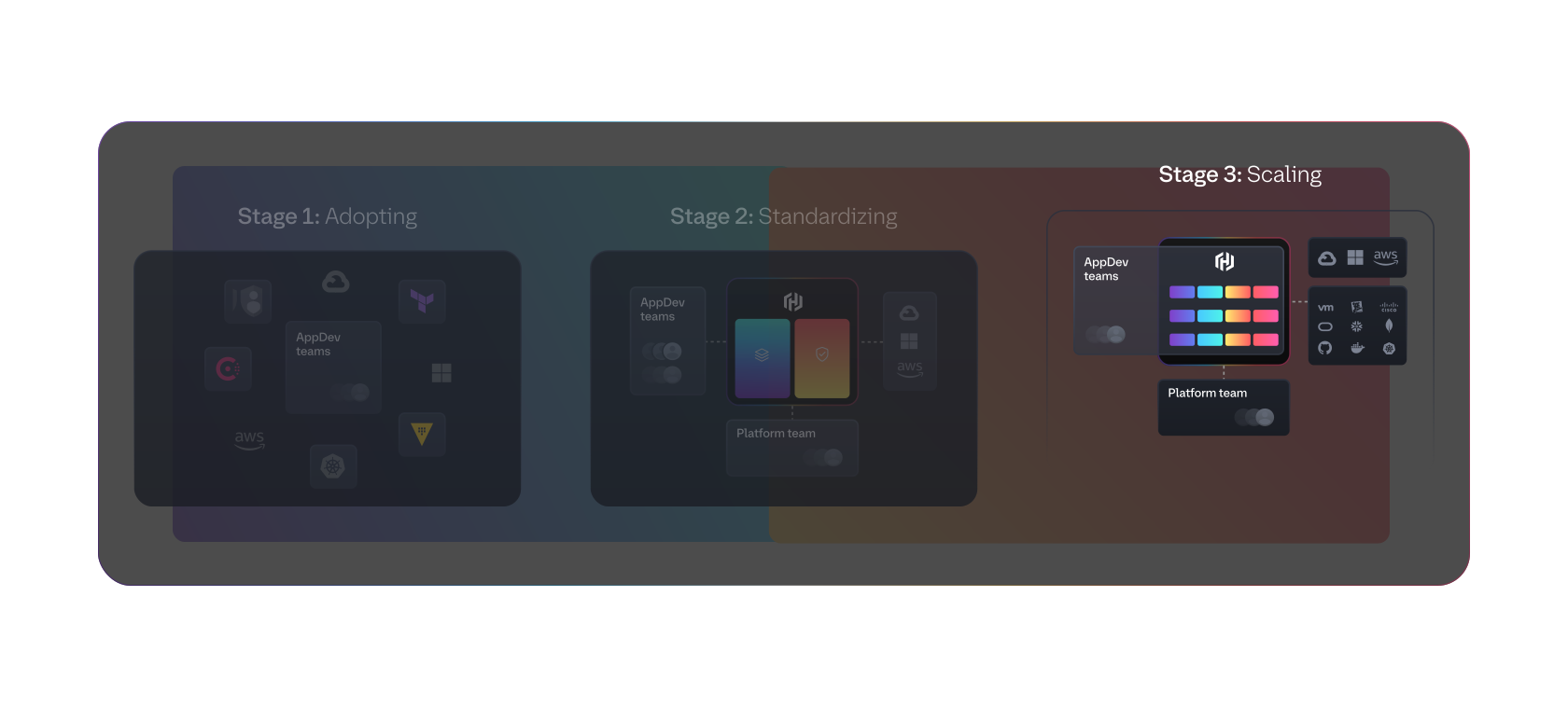
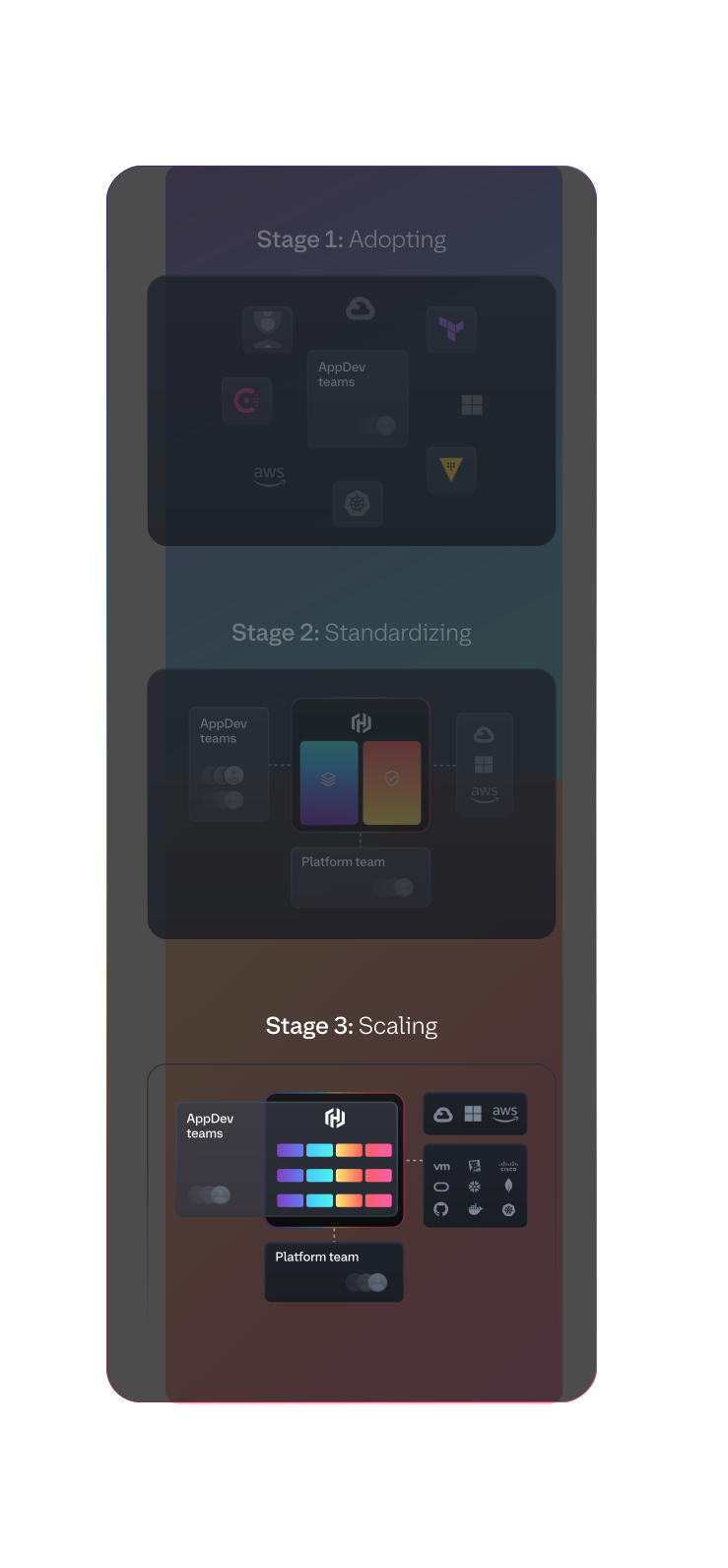
You’re currently in Stage 3: Scaling

Based on your answers, you’re currently Scaling — the final phase of building a successful corporate cloud program. During this stage, platform teams spread key cloud practices across the organization and introduce self-service provisioning and automated remediation.​​​​‌‍​‍​‍‌‍‌​‍‌‍‍‌‌‍‌‌‍‍‌‌‍‍​‍​‍​‍‍​‍​‍‌‍‌​‌‍​‌‌‌​‌‍‌‍​‌‍‌‌​​‍‍‌‍​‌‍‌‍‌​‍​‍​‍​​‍​‍‌‍‍​‌​‍‌‍‌‌‌‍‌‍​‍​‍​‍‍​‍​‍‌‍‍​‌‌​‌‌​‌​​‌​​‍‍​‍​‍‌‍‍​‌‍​‌‌​‌‍‍​‌‍‍‌‌‍​‌‍‌​‍‌​​​‍‍‌‍​‌‌‍‌​‌‍‌‌‍‍‌‌‍‍​‍‍‌‍‌​‌‍​‌‌‌​‌‍‌‍​‌‍‌‌​​‍‍‌‍​‌‍‌‍‌​‍‌‍‌‌‌‍‌​‌‍‍‌‌‌​‌‍‌​‍​‍‌‍‍‌‌‌​‌‍‌‌‌‍‌‌‌‌‌​‌‍‌‌​​‌‍‌‌‌​​‍‌‌‍​‌‍‍‌‌‌‌‍‌​‌​‌‌‌‌‍‌​‌​‌‌‌‌​‍‌‌​‌‍‌‌‍‍‌​‌‍‌‍‍‌​​‌‌​‍‌​‍​‌‍‌​‍‌‍‌‌‌‌‍‌‌​‌​‍‌‍‍‌‌‌​‌‍‌‌‌‍‌‌​​‍‌‌‌‌‌‍‍​‌​​‌​‌‍‌‌‌‌‌‌‌​‌‍‌‌‌‌​​​‌​​‍‌‍‍​‌‌​​‌‌‍‍‌‌​​‌​​‌‌​​‌​‍​​‌​​‍‌‌‌​‌​‍‌‍‌‌‌‍‌​‌‍‍‌‌‌​​‍​‌‍‌‍‌‍‍‌‌‍‌‌‌‍​‌‍‌​‌‌​​‌‍​‌‌‌​‌‍‍​​‌‌‍​‌‍‌‍‍‌‌​‌‍‌‌‌‍‍‌‌​​‍‍​​​‍‍‌‍‍‌‌‌​‌‍‌‌‌‍‌‌​​‍‍​​‍​‍‍‌‍‌​‌‍‌‌‌​‌‍​‌​‍‌‍‍‌‌​​‌‌​‌‍‍‌‌‍‌‍‍​‍​‍‌‌‌‍​‍​‍‌‍‌​‍‌‍‍‌‌‍‌‌‍‍‌‌‍‍​‍​‍​‍‍​‍​‍‌‍‌​‌‍​‌‌‌​‌‍‌‍​‌‍‌‌​​‍‍‌‍​‌‍‌‍‌​‍​‍​‍​​‍​‍‌‍‍​‌​‍‌‍‌‌‌‍‌‍​‍​‍​‍‍​‍​‍‌‍‍​‌‌​‌‌​‌​​‌​​‍‍​‍​‍‌‍‍​‌‍​‌‌​‌‍‍​‌‍‍‌‌‍​‌‍‌​‍‌​​​‍‍‌‍​‌‌‍‌​‌‍‌‌‍‍‌‌‍‍​‍‍‌‍‌​‌‍​‌‌‌​‌‍‌‍​‌‍‌‌​​‍‍‌‍​‌‍‌‍‌​‍‌‍‌‌‌‍‌​‌‍‍‌‌‌​‌‍‌​‍​‍‌‍‍‌‌‌​‌‍‌‌‌‍‌‌‌‌‌​‌‍‌‌​​‌‍‌‌‌​​‍‌‌‍​‌‍‍‌‌‌‌‍‌​‌​‌‌‌‌‍‌​‌​‌‌‌‌​‍‌‌​‌‍‌‌‍‍‌​‌‍‌‍‍‌​​‌‌​‍‌​‍​‌‍‌​‍‌‍‌‌‌‌‍‌‌​‌​‍‌‍‍‌‌‌​‌‍‌‌‌‍‌‌​​‍‌‌‌‌‌‍‍​‌​​‌​‌‍‌‌‌‌‌‌‌​‌‍‌‌‌‌​​​‌​​‍‌‍‍​‌‌​​‌‌‍‍‌‌​​‌​​‌‌​​‌​‍​​‌​​‍‌‌‌​‌​‍‌‍‌‌‌‍‌​‌‍‍‌‌‌​​‍​‌‍‌‍‌‍‍‌‌‍‌‌‌‍​‌‍‌​‌‌​​‌‍​‌‌‌​‌‍‍​​‌‌‍​‌‍‌‍‍‌‌​‌‍‌‌‌‍‍‌‌​​‍‍​​​‍‍‌‍‍‌‌‌​‌‍‌‌‌‍‌‌​​‍‍​​‍​‍‍‌‍‌​‌‍‌‌‌​‌‍​‌​‍‌‍‍‌‌​​‌‌​‌‍‍‌‌‍‌‍‍​‍​‍‌‌‌‍​‍​‍‌‍‌​‍‌‍‍‌‌‍‌‌‍‍‌‌‍‍​‍​‍​‍‍​‍​‍‌‍‌​‌‍​‌‌‌​‌‍‌‍​‌‍‌‌​​‍‍‌‍​‌‍‌‍‌​‍​‍​‍​​‍​‍‌‍‍​‌​‍‌‍‌‌‌‍‌‍​‍​‍​‍‍​‍​‍‌‍‍​‌‌​‌‌​‌​​‌​​‍‍​‍​‍‌‍‍​‌‍​‌‌​‌‍‍​‌‍‍‌‌‍​‌‍‌​‍‌​​​‍‍‌‍​‌‌‍‌​‌‍‌‌‍‍‌‌‍‍​‍‍‌‍‌​‌‍​‌‌‌​‌‍‌‍​‌‍‌‌​​‍‍‌‍​‌‍‌‍‌​‍‌‍‌‌‌‍‌​‌‍‍‌‌‌​‌‍‌​‍​‍‌‍‍‌‌‌​‌‍‌‌‌‍‌‌‌‌‌​‌‍‌‌​​‌‍‌‌‌​​‍‌‌‍​‌‍‍‌‌‌‌‍‌​‌​‌‌‌‌‍‌​‌​‌‌‌‌​‍‌‌​‌‍‌‌‍‍‌​‌‍‌‍‍‌​​‌‌​‍‌​‍​‌‍‌​‍‌‍‌‌‌‌‍‌‌​‌​‍‌‍‍‌‌‌​‌‍‌‌‌‍‌‌​​‍‌​‌‌​‍‌‌​‌‌​‍‌​​‌​​‍‌‌​‌‌‍‍‌‌​‍‌‌‍‌‍‌‌‌​‌‌​‍​‌‌‌​‌‌‌‌​‌‌‌‌‌​​‌​‌‌​​​‌‌‌‌‍‌​‍‌‍‌‌‌‍‌​‌‍‍‌‌‌​​‍​‌‍‌‍‌‍‍‌‌‍‌‌‌‍​‌‍‌​‌‌​​‌‍​‌‌‌​‌‍‍​​‌‌‍​‌‍‌‍‍‌‌​‌‍‌‌‌‍‍‌‌​​‍‍​​​‍‍‌‍‌​‌‍‌‌‌​‌‍​‌​‍‌‍‍‌‌​​‌‌​‌‍‍‌‌‍‌‍‍​‍​‍‌‌

Stage 3: ScalingStage 3: Scaling

Common practices in this phase

Organizations in the Scaling phase are taking the cloud platform they’ve built and extending its functionality, learnings, and workflows across their entire digital estate. This includes other cloud providers, SaaS applications, and on-premises datacenters. Priorities include:

Infrastructure

Security

Benefits and challenges in this phase

Typical Scaling practices have specific rewards and drawbacks.

  • Short term cost reductionAbility to spin up new infrastructure without capital expenditures for new hardware
    Plus
  • Working in silos‌‍​‍​‍‌‍‌​‍‌‍‍‌‌‍‌‌‍‍‌‌‍‍​‍​‍​‍‍​‍​‍‌‍‌​‌‍​‌‌‌​‌‍‌‍​‌‍‌‌​​‍‍‌‍​‌‍‌‍‌​‍​‍​‍​​‍​‍‌‍‍​‌​‍‌‍‌‌‌‍‌‍​‍​‍​‍‍​‍​‍‌‍‍​‌‌​‌‌​‌​​‌​​‍‍​‍​‍‌‍‍​‌‍​‌‌​‌‍‍​‌‍‍‌‌‍​‌‍‌​‍‌​​​‍‍‌‍​‌‌‍‌​‌‍‌‌‍‍‌‌‍‍​‍‍‌‍‌​‌‍​‌‌‌​‌‍‌‍​‌‍‌‌​​‍‍‌‍​‌‍‌‍‌​‍‌‍‌‌‌‍‌​‌‍‍‌‌‌​‌‍‌​‍​‍‌‍‍‌‌‌​‌‍‌‌‌‍‌‌‌‌‌​‌‍‌‌​​‌‍‌‌‌​​‍‌‌‍​‌‍‍‌‌‌‌‍‌​‌​‌‌‌‌‍‌​‌​‌‌‌‌​‍‌‌​‌‍‌‌‍‍‌​‌‍‌‍‍‌​​‌‌​‍‌​‍​‌‍‌​‍‌‍‌‌‌‌‍‌‌​‌​‍‌‍‍‌‌‌​‌‍‌‌‌‍‌‌​​‍‌​‌‌​‍‌‌​‌‌​‍‌​​‌​​‍‌‌​‌‌‍‍‌‌​‍‌‌‍‌‍‌‌‌​‌‌​‍​‌‌‌​‌‌‌‌​‌‌‌‌‌​​‌​‌‌​​​‌‌‌‌‍‌​‍‌‍‌‌‌‍‌​‌‍‍‌‌‌​​‍​‌‍‌‍‌‍‍‌‌‍‌‌‌‍​‌‍‌​‌‌​​‌‍​‌‌‌​‌‍‍​​‌‌‍​‌‍‌‍‍‌‌​‌‍‌‌‌‍‍‌‌​​‍‍​​‌​​‍​‍‍‌‍‍‌‌‌​‌‍‌‌‌‍‌‌​​‍‍​​‌​‍‍‌‍‍​‌‍‌‌‌‍​‌‌‍‌​‌‍‌‌‌​‍​‍​‍‌‌‌‍​‍​‍‌‍‌​‍‌‍‍‌‌‍‌‌‍‍‌‌‍‍​‍​‍​‍‍​‍​‍‌‍‌​‌‍​‌‌‌​‌‍‌‍​‌‍‌‌​​‍‍‌‍​‌‍‌‍‌​‍​‍​‍​​‍​‍‌‍‍​‌​‍‌‍‌‌‌‍‌‍​‍​‍​‍‍​‍​‍‌‍‍​‌‌​‌‌​‌​​‌​​‍‍​‍​‍‌‍‍​‌‍​‌‌​‌‍‍​‌‍‍‌‌‍​‌‍‌​‍‌​​​‍‍‌‍​‌‌‍‌​‌‍‌‌‍‍‌‌‍‍​‍‍‌‍‌​‌‍​‌‌‌​‌‍‌‍​‌‍‌‌​​‍‍‌‍​‌‍‌‍‌​‍‌‍‌‌‌‍‌​‌‍‍‌‌‌​‌‍‌​‍​‍‌‍‍‌‌‌​‌‍‌‌‌‍‌‌‌‌‌​‌‍‌‌​​‌‍‌‌‌​​‍‌‌‍​‌‍‍‌‌‌‌‍‌​‌​‌‌‌‌‍‌​‌​‌‌‌‌​‍‌‌​‌‍‌‌‍‍‌​‌‍‌‍‍‌​​‌‌​‍‌​‍​‌‍‌​‍‌‍‌‌‌‌‍‌‌​‌​‍‌‍‍‌‌‌​‌‍‌‌‌‍‌‌​​‍‌​‌‌​‍‌‌​‌‌​‍‌​​‌​​‍‌‌​‌‌‍‍‌‌​‍‌‌‍‌‍‌‌‌​‌‌​‍​‌‌‌​‌‌‌‌​‌‌‌‌‌​​‌​‌‌​​​‌‌‌‌‍‌​‍‌‍‌‌‌‍‌​‌‍‍‌‌‌​​‍​‌‍‌‍‌‍‍‌‌‍‌‌‌‍​‌‍‌​‌‌​​‌‍​‌‌‌​‌‍‍​​‌‌‍​‌‍‌‍‍‌‌​‌‍‌‌‌‍‍‌‌​​‍‍​​‌​​‌​‍‍‌‍‍‌‌‌​‌‍‌‌‌‍‌‌​​‍‍​​​​‍‍‌‍‍​‌‍‌‌‌‍​‌‌‍‌​‌‍‌‌‌​‍​‍​‍‌‌​​​​‌‍​‍​‍‌‍‌​‍‌‍‍‌‌‍‌‌‍‍‌‌‍‍​‍​‍​‍‍​‍​‍‌‍‌​‌‍​‌‌‌​‌‍‌‍​‌‍‌‌​​‍‍‌‍​‌‍‌‍‌​‍​‍​‍​​‍​‍‌‍‍​‌​‍‌‍‌‌‌‍‌‍​‍​‍​‍‍​‍​‍‌‍‍​‌‌​‌‌​‌​​‌​​‍‍​‍​‍‌‍‍​‌‍​‌‌​‌‍‍​‌‍‍‌‌‍​‌‍‌​‍‌​​​‍‍‌‍​‌‌‍‌​‌‍‌‌‍‍‌‌‍‍​‍‍‌‍‌​‌‍​‌‌‌​‌‍‌‍​‌‍‌‌​​‍‍‌‍​‌‍‌‍‌​‍‌‍‌‌‌‍‌​‌‍‍‌‌‌​‌‍‌​‍​‍‌‍‍‌‌‌​‌‍‌‌‌‍‌‌‌‌‌​‌‍‌‌​​‌‍‌‌‌​​‍‌‌‍​‌‍‍‌‌‌‌‍‌​‌​‌‌‌‌‍‌​‌​‌‌‌‌​‍‌‌​‌‍‌‌‍‍‌​‌‍‌‍‍‌​​‌‌​‍‌​‍​‌‍‌​‍‌‍‌‌‌‌‍‌‌​‌​‍‌‍‍‌‌‌​‌‍‌‌‌‍‌‌​​‍‌​‌‌​‍‌‌​‌‌​‍‌​​‌​​‍‌‌​‌‌‍‍‌‌​‍‌‌‍‌‍‌‌‌​‌‌​‍​‌‌‌​‌‌‌‌​‌‌‌‌‌​​‌​‌‌​​​‌‌‌‌‍‌​‍‌‍‌‌‌‍‌​‌‍‍‌‌‌​​‍​‌‍‌‍‌‍‍‌‌‍‌‌‌‍​‌‍‌​‌‌​​‌‍​‌‌‌​‌‍‍​​‌‌‍​‌‍‌‍‍‌‌​‌‍‌‌‌‍‍‌‌​​‍‍​​‍​‍‍‌‍‍‌‌‌​‌‍‌‌‌‍‌‌​​‍‍​​​‍‍‌‍‍​‌‍‌‌‌‍​‌‌‍‌​‌‍‍‌‌‍‍‌‍‌​‍​‍‌‌Individual teams tend to create standalone workflows for similar activities, with minimal cross-team collaboration
    minus
  • Lack of policy enforcementDifficulty enforcing cost controls and policies for security and governance
    Minus
  • Lack of standardization​​​​‌‍​‍​‍‌‍‌​‍‌‍‍‌‌‍‌‌‍‍‌‌‍‍​‍​‍​‍‍​‍​‍‌‍‌​‌‍​‌‌‌​‌‍‌‍​‌‍‌‌​​‍‍‌‍​‌‍‌‍‌​‍​‍​‍​​‍​‍‌‍‍​‌​‍‌‍‌‌‌‍‌‍​‍​‍​‍‍​‍​‍‌‍‍​‌‌​‌‌​‌​​‌​​‍‍​‍​‍‌‍‍​‌‍​‌‌​‌‍‍​‌‍‍‌‌‍​‌‍‌​‍‌​​​‍‍‌‍​‌‌‍‌​‌‍‌‌‍‍‌‌‍‍​‍‍‌‍‌​‌‍​‌‌‌​‌‍‌‍​‌‍‌‌​​‍‍‌‍​‌‍‌‍‌​‍‌‍‌‌‌‍‌​‌‍‍‌‌‌​‌‍‌​‍​‍‌‍‍‌‌‌​‌‍‌‌‌‍‌‌‌‌‌​‌‍‌‌​​‌‍‌‌‌​​‍‌‌‍​‌‍‍‌‌‌‌‍‌​‌​‌‌‌‌‍‌​‌​‌‌‌‌​‍‌‌​‌‍‌‌‍‍‌​‌‍‌‍‍‌​​‌‌​‍‌​‍​‌‍‌​‍‌‍‌‌‌‌‍‌‌​‌​‍‌‍‍‌‌‌​‌‍‌‌‌‍‌‌​​‍‌​‌‌​‍‌‌​‌‌​‍‌​​‌​​‍‌‌​‌‌‍‍‌‌​‍‌‌‍‌‍‌‌‌​‌‌​‍​‌‌‌​‌‌‌‌​‌‌‌‌‌​​‌​‌‌​​​‌‌‌‌‍‌​‍‌‍‌‌‌‍‌​‌‍‍‌‌‌​​‍​‌‍‌‍‌‍‍‌‌‍‌‌‌‍​‌‍‌​‌‌​​‌‍​‌‌‌​‌‍‍​​‌‌‍​‌‍‌‍‍‌‌​‌‍‌‌‌‍‍‌‌​​‍‍​​‌​​‍​‍‍‌‍‍‌‌‌​‌‍‌‌‌‍‌‌​​‍‍​​​‍‍‌‍‍​‌‍‌‌‌‍​‌‌‍‌​‌‍‌‌‌​‍​‍​‍‌‌Without a common platform, many processes are done manually‍​‍​‍‌‍‌​‍‌‍‍‌‌‍‌‌‍‍‌‌‍‍​‍​‍​‍‍​‍​‍‌‍‌​‌‍​‌‌‌​‌‍‌‍​‌‍‌‌​​‍‍‌‍​‌‍‌‍‌​‍​‍​‍​​‍​‍‌‍‍​‌​‍‌‍‌‌‌‍‌‍​‍​‍​‍‍​‍​‍‌‍‍​‌‌​‌‌​‌​​‌​​‍‍​‍​‍‌‍‍​‌‍​‌‌​‌‍‍​‌‍‍‌‌‍​‌‍‌​‍‌​​​‍‍‌‍​‌‌‍‌​‌‍‌‌‍‍‌‌‍‍​‍‍‌‍‌​‌‍​‌‌‌​‌‍‌‍​‌‍‌‌​​‍‍‌‍​‌‍‌‍‌​‍‌‍‌‌‌‍‌​‌‍‍‌‌‌​‌‍‌​‍​‍‌‍‍‌‌‌​‌‍‌‌‌‍‌‌‌‌‌​‌‍‌‌​​‌‍‌‌‌​​‍‌‌‍​‌‍‍‌‌‌‌‍‌​‌​‌‌‌‌‍‌​‌​‌‌‌‌​‍‌‌​‌‍‌‌‍‍‌​‌‍‌‍‍‌​​‌‌​‍‌​‍​‌‍‌​‍‌‍‌‌‌‌‍‌‌​‌​‍‌‍‍‌‌‌​‌‍‌‌‌‍‌‌​​‍‌​‌‌​‍‌‌​‌‌​‍‌​​‌​​‍‌‌​‌‌‍‍‌‌​‍‌‌‍‌‍‌‌‌​‌‌​‍​‌‌‌​‌‌‌‌​‌‌‌‌‌​​‌​‌‌​​​‌‌‌‌‍‌​‍‌‍‌‌‌‍‌​‌‍‍‌‌‌​​‍​‌‍‌‍‌‍‍‌‌‍‌‌‌‍​‌‍‌​‌‌​​‌‍​‌‌‌​‌‍‍​​‌‌‍​‌‍‌‍‍‌‌​‌‍‌‌‌‍‍‌‌​​‍‍​​‌​​‍​‍‍‌‍‍‌‌‌​‌‍‌‌‌‍‌‌​​‍‍​​​‍‍‌‍‍​‌‍‌‌‌‍​‌‌‍‌​‌‍‌‌‌​‍​‍​‍‌‌‌​‍‌‍‍‌‌‍‌‌‍‍‌‌‍‍​‍​‍​‍‍​‍​‍‌‍‌​‌‍​‌‌‌​‌‍‌‍​‌‍‌‌​​‍‍‌‍​‌‍‌‍‌​‍​‍​‍​​‍​‍‌‍‍​‌​‍‌‍‌‌‌‍‌‍​‍​‍​‍‍​‍​‍‌‍‍​‌‌​‌‌​‌​​‌​​‍‍​‍​‍‌‍‍​‌‍​‌‌​‌‍‍​‌‍‍‌‌‍​‌‍‌​‍‌​​​‍‍‌‍​‌‌‍‌​‌‍‌‌‍‍‌‌‍‍​‍‍‌‍‌​‌‍​‌‌‌​‌‍‌‍​‌‍‌‌​​‍‍‌‍​‌‍‌‍‌​‍‌‍‌‌‌‍‌​‌‍‍‌‌‌​‌‍‌​‍​‍‌‍‍‌‌‌​‌‍‌‌‌‍‌‌‌‌‌​‌‍‌‌​​‌‍‌‌‌​​‍‌‌‍​‌‍‍‌‌‌‌‍‌​‌​‌‌‌‌‍‌​‌​‌‌‌‌​‍‌‌​‌‍‌‌‍‍‌​‌‍‌‍‍‌​​‌‌​‍‌​‍​‌‍‌​‍‌‍‌‌‌‌‍‌‌​‌​‍‌‍‍‌‌‌​‌‍‌‌‌‍‌‌​​‍‌​‌‌​‍‌‌​‌‌​‍‌​​‌​​‍‌‌​‌‌‍‍‌‌​‍‌‌‍‌‍‌‌‌​‌‌​‍​‌‌‌​‌‌‌‌​‌‌‌‌‌​​‌​‌‌​​​‌‌‌‌‍‌​‍‌‍‌‌‌‍‌​‌‍‍‌‌‌​​‍​‌‍‌‍‌‍‍‌‌‍‌‌‌‍​‌‍‌​‌‌​​‌‍​‌‌‌​‌‍‍​​‌‌‍​‌‍‌‍‍‌‌​‌‍‌‌‌‍‍‌‌​​‍‍​​‌​​‍​‍‍‌‍‍‌‌‌​‌‍‌‌‌‍‌‌​​‍‍​​​‍‍‌‍‍​‌‍‌‌‌‍​‌‌‍‌​‌‍‌‌‌​‍​‍​‍‌‌
    Minus
  • Increased security riskMultiple implementations with lack of oversight leading to greater threat exposure
    Minus
What's next

Continuing to mature in the cloud

With a mature cloud program in place, organizations in the Scaling phase can focus on deploying more sophisticated capabilities, optimizing cloud spend, and implementing developer self-service.


ILM Gradient

Infrastructure Lifecycle Management


Infrastructure Lifecycle Management (ILM) uses infrastructure as code (IaC) to build, deploy, and manage the infrastructure that underpins cloud applications. With a mature IaC platform in place, organizations in the Scaling phase can extend existing workflows even more broadly throughout development teams.

ILM practices to help you continue maturing

  • Enable developer self-service
    Making developer tooling self-service with an internal developer platform like HashiCorp Waypoint.
    Learn more
  • Create and use no-code modules
    Ease developer self-service with built-in catalogs like no-code provisioning from HashiCorp Terraform.
    Learn more
  • Use health assessments to detect infrastructure drift
    Continuously monitor your infrastructure and catch changes when they happen using drift detection.
    Learn more
  • Automate cost optimization tools
    Put tools and systems into place that monitor costs and alert the right teams to unexpected changes.
    Learn more
  • Manage the infrastructure lifecycle from end to end
    Adopt tools and automation to continuously manage the lifecycle of your infrastructure, along with proper end-of-life processes to avoid orphaned, unused deployments.
    Learn more
  • Implement advanced image pipelines
    Ensure consistent deployments that allow teams to change a golden image once to update all downstream builds.
    Learn more

SLM Gradient

Security Lifecycle Management


Security Lifecycle Management (SLM) uses identity-based access controls to manage the security lifecycle of your secrets, users, and services. From an operations and security standpoint, organizations in the Scaling phase have the tools in place to implement more sophisticated SLM workflows and systems.

SLM practices to help you continue maturing

  • Encrypt data seamlessly
    Use advanced data protection capabilities like encryption as a service to protect critical data.
    Learn more
  • Automate service networking
    Securely drive service-to-service access through policies using dynamic service-based networking.
    Learn more
  • Expand to private and hybrid datacenters
    Standardize your security tools beyond the public cloud across your entire organization.
    Learn more
  • Manage keys and certificates
    Secure systems by automating encryption, key management, and PKI for encryption and identity workloads.
    Learn more
  • Shift security left
    Build all security systems and tools directly into the infrastructure platform for consistent protections and risk reduction.
    Learn more
  • Secure resources with multi-hop sessions
    Provide access to private resources by connecting into complex network topologies through reverse-proxies that let users securely access locked-down resources as needed.
    Learn more

Resources to help you continue maturing

  • Managing a golden image factory across all major cloud platforms at ExperiaLearn how Experian manages machine image governance and standards across AWS, Azure, Google Cloud, Oracle Cloud, and Alibaba Cloud.
    Case study
  • Advanced data protection with HashiCorp VaultIn this webinar, HashiCorp Vault engineers showcase the unique advantages of Advanced Data Protection (ADP) capabilities using Vault secrets engines like Key Management Interoperability Protocol, Key Management, and Transform.
    Webinar
  • Optimize cloud spend with HashiCorp TerraformExperts break down how to best optimize cloud spend with HashiCorp Terraform in a four-part series, which covers the causes of cloud waste, how to prevent avoidable cloud waste, and how to address the provisioning skills gap effect on cloud waste.
    Webinar series
  • 3 phases of optimizing cloud and operator spend with HashiCorp TerraformDownload our cloud spend optimization guide to explore the causes of waste at each stage of cloud adoption, how a platform team and cloud operating model help unify your cloud estate, and more.
    White paper